
Eight major functions of trademark registration | bolatangkas login, new play slot 88
Published: 2019-05-11 16:11:56 Views:
Function 1 of Trademark: Passport in the Market
Trademark is the essence of corporate brand culture, and the establishment of corporate brand image is the core of corporate struggle. Products that have applied for registered trademarks in relevant countries or regions can be sold in large stores and supermarkets in that country and region.
·Companies generally need to issue trademark registration certificates for the relevant brands when printing labels and packaging in printing plants or advertising in various media. In international trade, trademarks are extremely important, and international trade is inseparable from trademarks. For administrative departments, the quality of goods and services is monitored through the management of trademarks, and necessary conditions are created for quality inspection, health inspection, and barcoding.
The role of trademark 2: Flag in business war
The battle flag symbolizes the indomitable spirit and the spiritual motivation to charge into battle. The battle flag represents the soul of an army. After capturing a position, planting your own flag means that it has been occupied, which is an honor. A trademark is a symbol of the spirit of an enterprise, and it is also the most direct expression of the field occupied by the enterprise's goods and services.
The third role of trademark: the most important asset
The assessed value of a trademark can increase the total assets of a company, and the higher the value of the brand, the more it can reflect the influence of the trademark and the business's operating conditions, which indirectly reflects consumers' acceptance of the goods marked by the trademark.
As an intangible asset, a trademark can also be converted to realize its value through transfer, licensing to others, or pledge.
The protective effect of trademark registration
Function 4 of trademarks: Identification code in the eyes of consumers
· Goods undergo social inspection and supervision in the market and participate in competition. This market competition is a competition among various performance indicators such as product variety, quality, price, etc., and this information is transmitted to consumers through the bridge of trademarks. Use trademarks to promote goods and services, be concise, eye-catching, and easy to remember, leaving a deep impression on consumers to attract and induce their desire to "buy quickly", thereby achieving the effect of creating a famous brand and expanding sales.
Fiveth role of trademark: Carrier of corporate reputation
ˆTrademarks are not only a sign that distinguishes the source of goods and services, but also a symbol of the credibility and competitiveness of an enterprise. The specific expression of corporate credibility is the satisfaction that the goods marked with the trademark bring to consumers. A trademark embodies the reputation of the marked goods and services, as well as the operators and service providers of the goods. Trademarks are the best indicator of the reputation of goods and services and the reputation of related enterprises. Trademark reputation is crucial in market competition. A reputable trademark plays a very important role in improving product competitiveness and opening up product sales.
Function 6 of trademark: Medal for employees
Good trademarks and brands can bring employees a sense of honor, achievement, responsibility, belonging, mission, and growth. The feelings of consumers determine the degree to which the brand of goods and services is recognized and accepted by society, and the feelings of employees determine the cohesion and sense of honor that the trademark brand created by the company brings to the employees of the company. In other words, a brand is ultimately a relationship, and a branded relationship is a special type of loyalty and trust relationship.
The seventh role of trademark: a transfer station for corporate financing
The trademark exclusive rights pledge loan business uses the ownership of the enterprise's trademark as a pledge, and confirms the value of the enterprise's trademark through third-party evaluation. The bank adopts a flexible mortgage and pledge model to issue loans with a certain proportion of the enterprise's trademark value to enterprises with financing needs.
Function 8 of Trademark: Shield in Brand Disputes
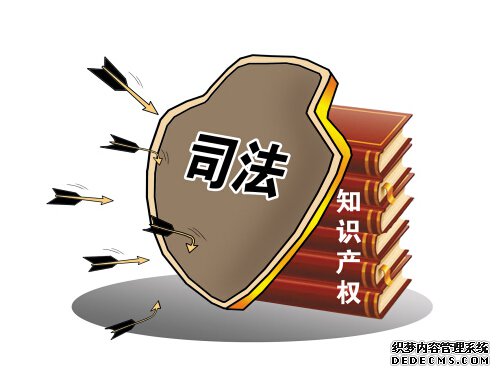
A trademark is like a shield in war. Whoever owns the trademark and has the exclusive rights to the trademark is the owner of this "shield". Registering a trademark and enjoying the exclusive rights can not only protect one's own trademark rights from infringement, but also inflict damage to the invading "enemy" when necessary.
The trademark registrant has the exclusive right to use the trademark and is protected by law. Others do not dare to imitate the trademark, otherwise they can be sued for infringement and receive financial compensation. On the contrary, if someone else registers it first, you will definitely lose the market that you have carefully planned and worked hard to manage, and you may become an infringement defendant. However, in trademark registration, in addition to understanding the functions, you also need to be clear about the relevant processes. Therefore, the editor recommends that users find an agency with national qualifications to handle the matter.